
Brain Health and Movement: The Neurological Side of Longevity
Fzt. Kemran Hafız · 2 September 2026 · 1 min read · Last updated:
Fzt. Kemran Hafız · 2 September 2026 · 1 min read · Last updated:
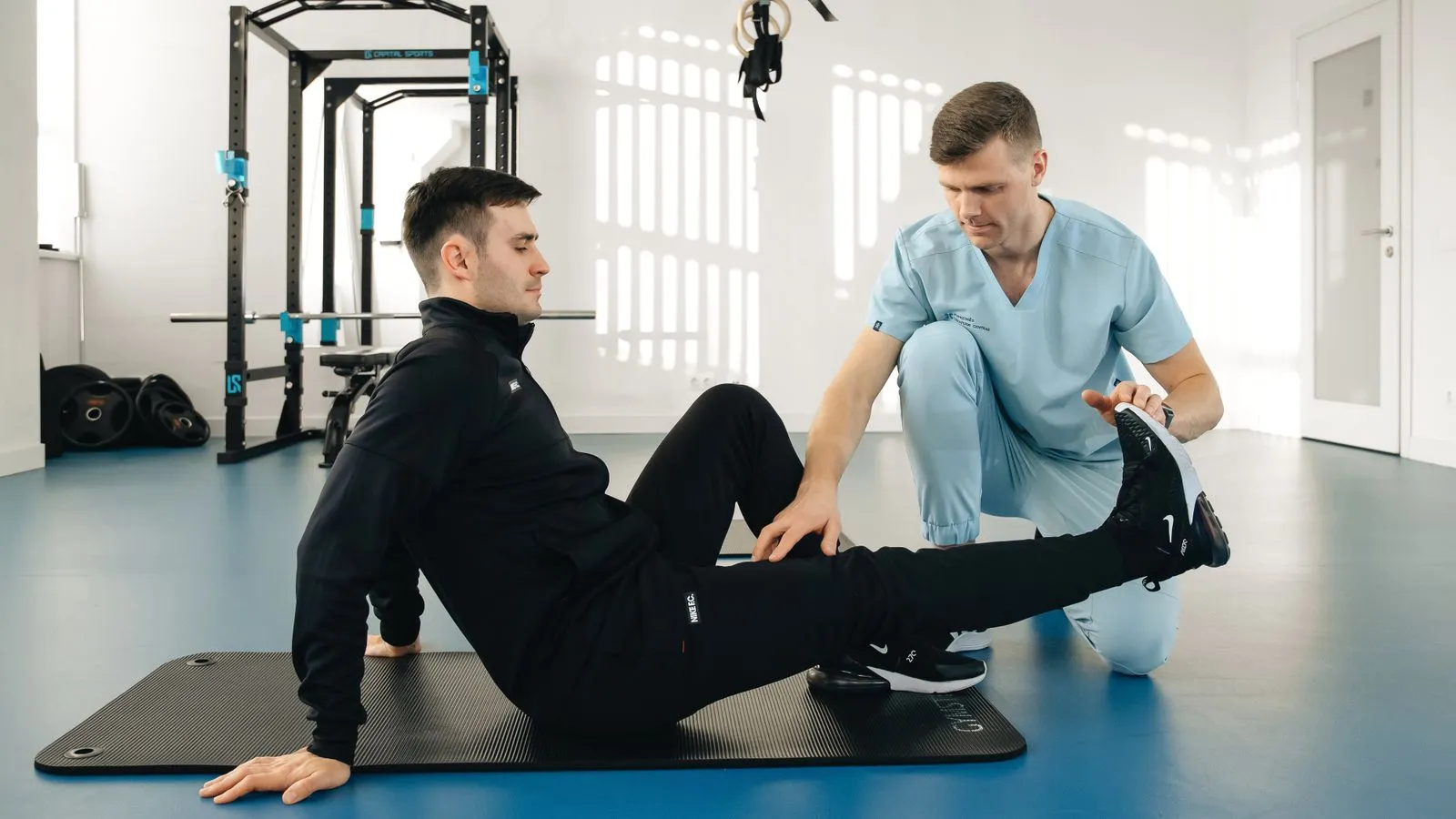
Longevity usually brings muscle and joints to mind first. But one of the most consistent effects of regular physical activity is on the nervous system and the brain.
Longevity usually brings muscle mass and joint health to mind first. But one of the most consistently demonstrated effects of regular physical activity is on the nervous system and the brain — a link that's directly visible in the day-to-day practice of neurological rehabilitation.
The nervous system is continuously updated by feedback from muscle movement; this relationship isn't one-directional. The increased blood flow during exercise and the movement input that stimulates the nervous system trigger processes that support the maintenance and renewal of connections in the brain. This isn't just "good for the muscle" — it's a meaningful stimulus for the nervous system directly.
Balance isn't achieved by muscle strength alone — it comes from the brain processing information from the eyes, inner ear and joints all at once. Working on an unstable surface, or learning a new movement pattern, continuously demands new processing from the nervous system — requiring far more cognitive engagement than a passive exercise.
The clearest thing observed in rehabilitation after a stroke, MS or Parkinson's is that repeated, meaningful and challenging movement supports the nervous system's reorganisation (neuroplasticity). This principle holds in a healthy nervous system too — the only difference is that the need hasn't become obvious yet.
This relationship goes beyond the logic of "rehabilitation after illness": regular, varied and challenging movement is an investment that protects the health of the nervous system, and the best time for that investment is the period before any symptom has appeared.
Fzt. Kemran Hafız builds programmes that support neurological health through movement, with measurable goals — see neurological rehabilitation.
Neurological Rehabilitation
Not all physiotherapy is the same. For conditions arising from the nervous system, neurological physiotherapy differs from orthopaedic physiotherapy in aim and method.
9 October 2026 · 2 min read
Neurological Rehabilitation
The most common question: “How long will it take?” The honest answer depends on the condition. The stages of neurological rehabilitation and realistic expectations.
7 October 2026 · 2 min read
Neurological Rehabilitation
In a neurological condition, the right physiotherapist calls for experience and method beyond the general criteria. What to look for when choosing in Nilüfer.
5 October 2026 · 2 min read