Skip to content
Fzt. Kemran HafızFizyoterapi & Rehabilitasyon

Strength and Conditioning

Strength is not only for athletes: muscle mass and strength are among the most powerful protective factors against pain at any age. What makes strength work with a physiotherapist different is that the programme is based on measurement and takes your injury history into account. Fzt. Kemran Hafız runs these sessions one-to-one; no more than one person is seen at a time.

About your physiotherapist

  • 5.0 · 21 Google reviews
  • Physiotherapy and Rehabilitation graduate, Karabük University (2020)
  • Clinical experience at Romatem Physical Therapy and Rehabilitation Hospital and Karabük Training and Research Hospital
  • One-to-one rehabilitation in Bursa Nilüfer since 2021
  • Education and experience
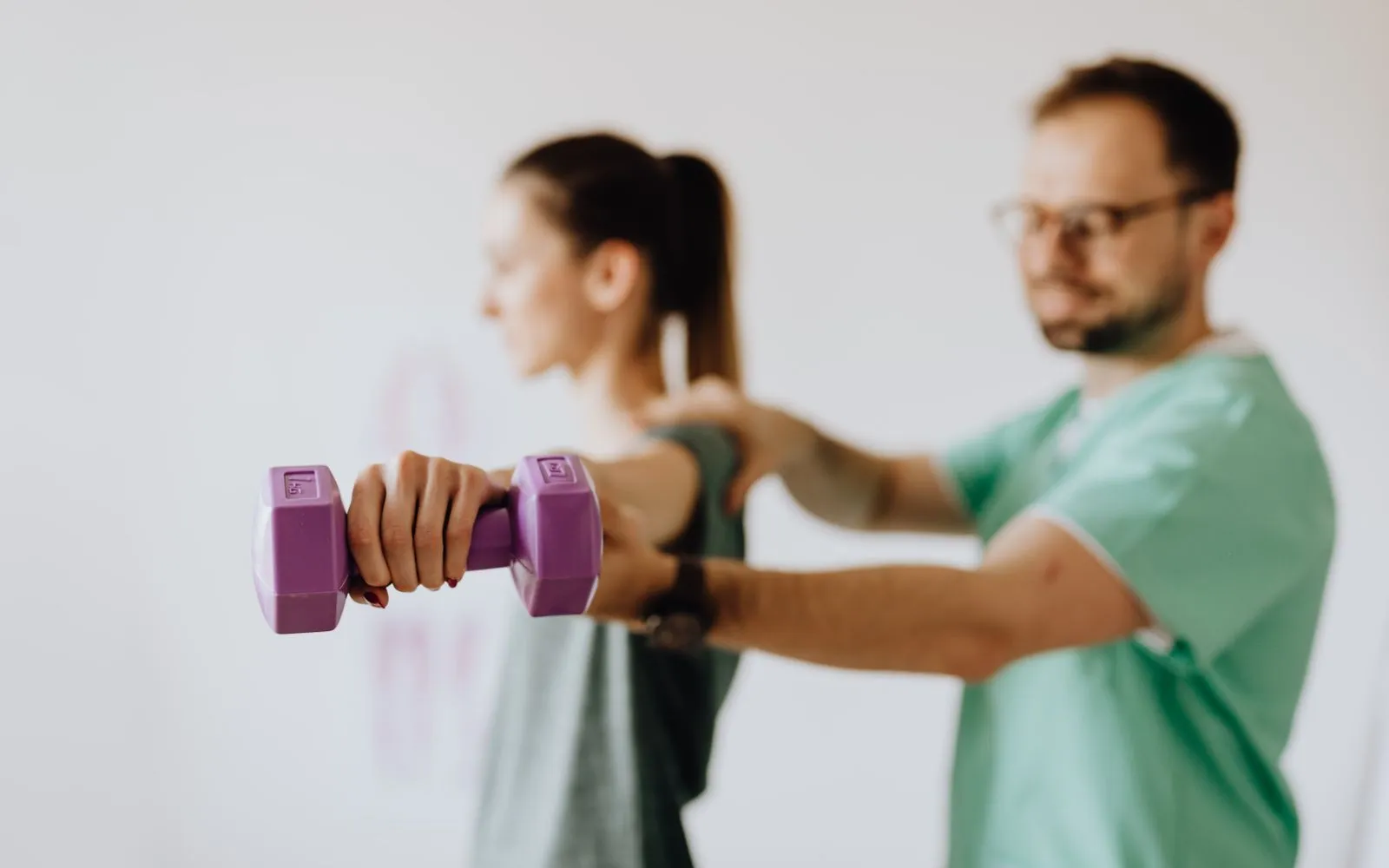
Controlled strength work with a dumbbell

When is it needed?

  • Strength loss felt when standing up from a chair or going down stairs
  • Fall risk accompanying a neurological condition
  • Movement made harder by increased muscle tone (spasticity)
  • Balance loss that becomes more pronounced with fatigue
  • A decrease in walking distance

What we do

  • Integrating strength work into the neurological programme
  • Setting load by monitoring muscle tone and fatigue
  • Measuring sit-to-stand time, single-leg stance and walking distance
  • Graded, controlled loading in a muscle with spasticity
  • Repeating functional measurements at regular intervals

Strength & Conditioning in Bursa Nilüfer

Fzt. Kemran Hafız provides one-to-one care for strength & conditioning at the clinic in Bursa Nilüfer — in Fethiye Mahallesi, on Kelebek Sokak, at a central point of Nilüfer, opposite the Fethiye covered market.

It is a short trip by car or public transport from İhsaniye, Odunluk, Balat, Özlüce, Ataevler, 23 Nisan and the surrounding areas. Every session is one-to-one, assessment-based and tailored to you.
In neurological conditions, strength is balance's precondition

After a stroke, MS or Parkinson's, balance disruption alone isn't what raises fall risk. Strength loss around the hip and knee is felt directly when standing up from a chair or going down stairs; balance work doesn't produce the desired result without that foundation.

Fzt. Kemran Hafız builds strength work into the neurological programme rather than treating it as a separate heading. Load is set by monitoring muscle tone and fatigue — increasing weight too quickly in a muscle with spasticity degrades the quality of the movement. Measurement stays concrete: sit-to-stand time, single-leg stance, walking distance.

Why is strength balance's precondition?

After a stroke, MS or Parkinson's, balance disruption alone isn't what raises fall risk. Strength loss around the hip and knee is felt directly when standing up from a chair or going down stairs; balance work doesn't produce the desired result without that foundation.

How is the load set?

Fzt. Kemran Hafız builds strength work into the neurological programme rather than treating it as a separate heading. Load is set by monitoring muscle tone and fatigue — increasing weight too quickly in a muscle with spasticity degrades the quality of the movement.

How is progress measured?

Measurement stays concrete: sit-to-stand time, single-leg stance, walking distance. These measurements are repeated at regular intervals to track the programme's effect.

5.0 · 21 Google reviews

Book a one-to-one assessment for strength & conditioning

Fzt. Kemran Hafız · Bursa Nilüfer. Share your complaint; we plan the process together after the assessment.

Frequently asked questions

Can someone with spasticity do strength work?

Yes; loading is done gradually while monitoring muscle tone and fatigue, progressed in a way that preserves movement quality.

How does strength work reduce fall risk?

Strengthening the muscles used in daily movements like standing up from a chair and going down stairs increases the effect of balance work and reduces fall risk.

How long before progress is seen?

It varies by person and condition; it's tracked regularly with concrete measurements like sit-to-stand time and walking distance.

Other treatments

  • Sports Rehab

    Injury rehabilitation and criteria-based return to play for athletes at every level.

  • Hip Pain

    For groin, outer hip and deep buttock pain: assessment that finds the source, then strength-focused work.

  • Fibromyalgia

    An evidence-based programme of graded exercise and pain education for widespread pain, fatigue and disturbed sleep.

Articles on this topic

  • Diz muayenesi ve değerlendirme

    Sport and Strength

    Meniscus Tear: Surgery or Rehabilitation?

    With a meniscus tear, "surgery right away" is usually the first thing that comes to mind. But not every tear needs surgery; rehabilitation is the first choice in most conditions.

    6 September 2026 · 2 min read

  • Ön çapraz bağ sonrası diz rehabilitasyonu çalışması

    Sport and Strength

    Recovery After an ACL Tear: Stages and Timeline

    With an ACL tear, what decides the outcome is the rehabilitation that follows, as much as the tear itself.

    31 August 2026 · 1 min read

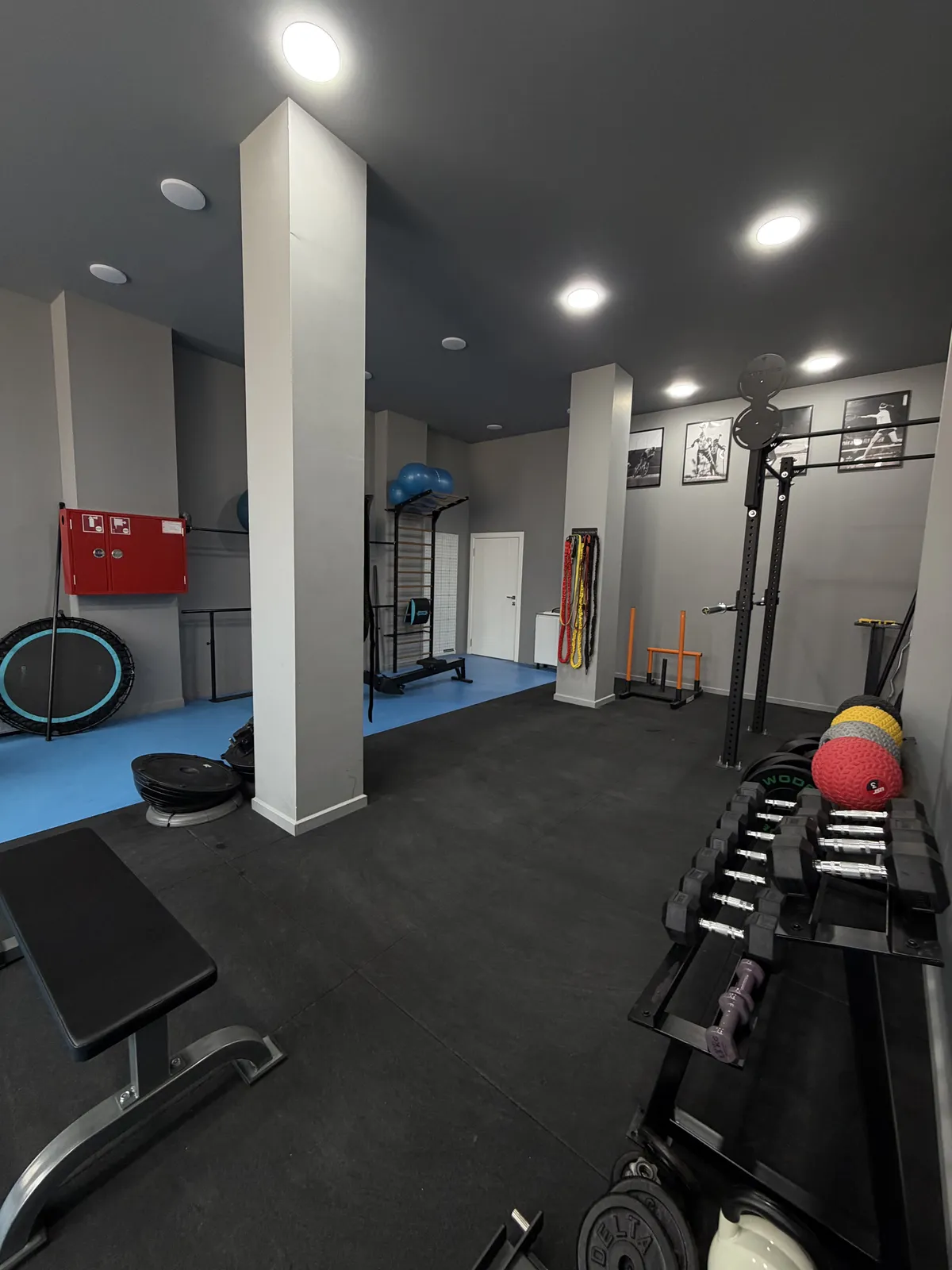
  • Kliniğin egzersiz salonunda dambıl takımı ve denge ekipmanları

    Sport and Strength

    Why Strength Training Matters at Every Age

    Muscle mass falls by 3–8% per decade after the age of 30. Strength training is the only intervention that halts that loss — and it concerns everyone, not just athletes.

    18 July 2026 · 2 min read

Book an appointment for Strength & Conditioning

The appointment form does not ask for health information; details are discussed by phone.

Book an appointment