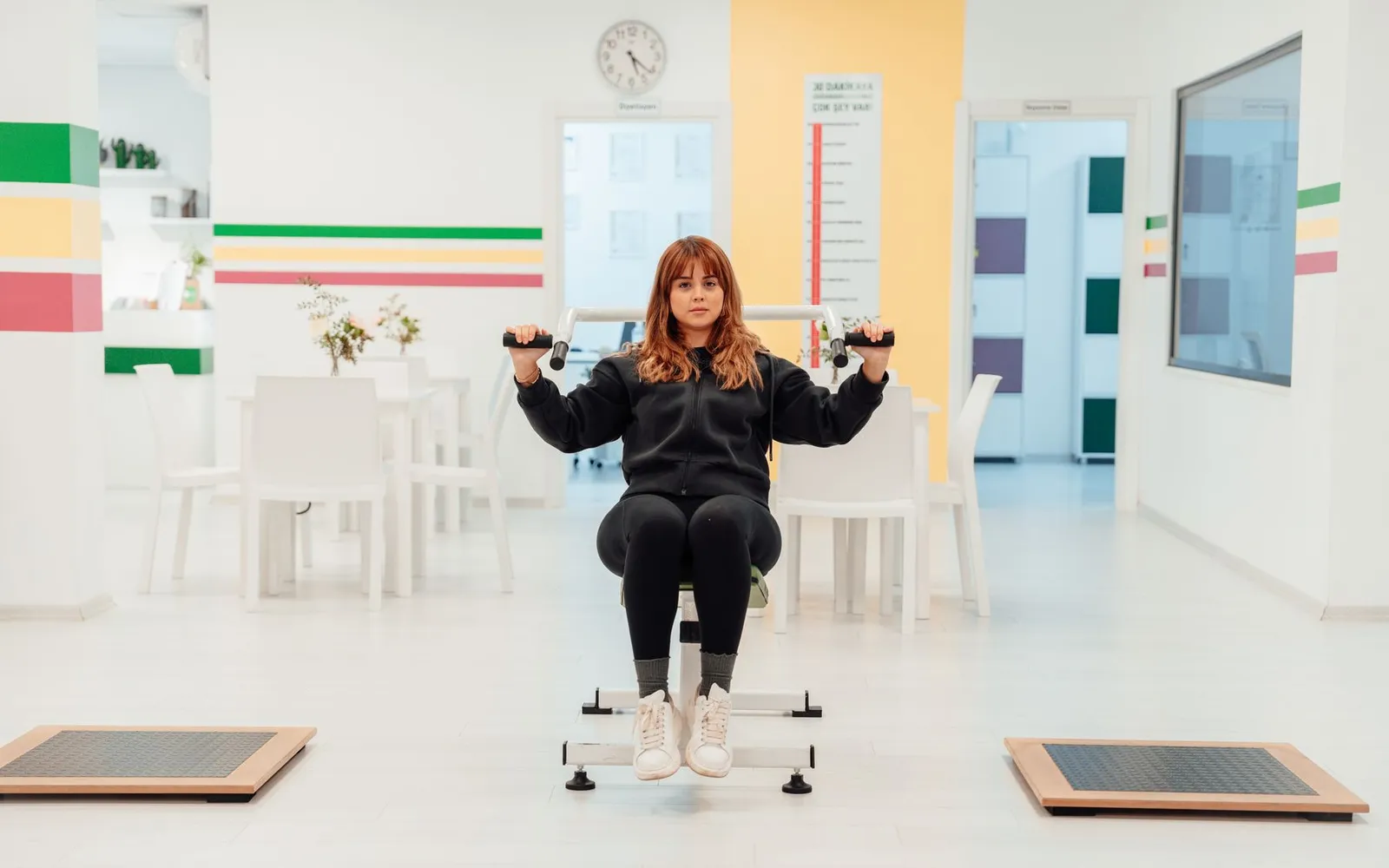
Movement lost after a stroke, MS or Parkinson's is usually less about the muscle itself and more about how the nervous system calls on that muscle. The nervous system reorganises in response to the right stimulus; how fast that happens is set by the number of repetitions, how meaningful the task is, and its difficulty level.
Fzt. Kemran Hafız builds neurological rehabilitation programmes in Bursa Nilüfer on this principle. Movements aren't practised as abstract exercises but through real daily tasks: reaching for a cup, standing up from a chair, stepping over a threshold. Goals are kept measurable; range of motion, walking distance and balance tests are repeated at regular intervals. The process is long, and progress only becomes visible once it's measured.
If dizziness comes from the inner ear (BPPV), the approach is different and is covered separately on the vertigo and vestibular rehabilitation page. For congenital or long-term limitations (cerebral palsy, spinal cord injury), goals are set within disability rehabilitation over the longer term.