
Skip to content
Fzt. Kemran HafızFizyoterapi & Rehabilitasyon

Low Back Pain Treatment in Bursa

The great majority of low back pain falls into the group that cannot be attributed to a single structure on imaging; this is called non-specific low back pain. The name does not mean the pain is vague — its source is usually a combination of muscle, joint and movement habits. Indeed, disc bulging and degeneration are common findings on the scans of people with no pain at all. In Bursa Nilüfer, Fzt. Kemran Hafız starts not from the film but from which movements increase the pain and which ease it.

About your physiotherapist

  • 5.0 · 21 Google reviews
  • Physiotherapy and Rehabilitation graduate, Karabük University (2020)
  • Clinical experience at Romatem Physical Therapy and Rehabilitation Hospital and Karabük Training and Research Hospital
  • One-to-one rehabilitation in Bursa Nilüfer since 2021
  • Education and experience

When is it needed?

  • Diffuse back pain that is hard to point to precisely
  • Symptoms that increase with long sitting, standing or bending
  • Morning stiffness and difficulty getting going
  • Pain that fluctuates through the day and across weeks
  • Difficulty bending forward or tying shoelaces
  • A sense of the back "giving way" or not being trustworthy

What we do

  • Red flag screening and detailed physiotherapy assessment
  • Establishing which movement eases the pain (directional preference)
  • Strength and endurance measurement for the hip and trunk muscles
  • Manual therapy and electrotherapy where indicated
  • Trunk stabilisation and hip strengthening exercises
  • Pain education — understanding how pain works
  • Review of work, sitting and lifting habits

Low Back Pain in Bursa Nilüfer

Fzt. Kemran Hafız provides one-to-one care for low back pain at the clinic in Bursa Nilüfer — in Fethiye Mahallesi, on Kelebek Sokak, at a central point of Nilüfer, opposite the Fethiye covered market.

It is a short trip by car or public transport from İhsaniye, Odunluk, Balat, Özlüce, Ataevler, 23 Nisan and the surrounding areas. Every session is one-to-one, assessment-based and tailored to you.
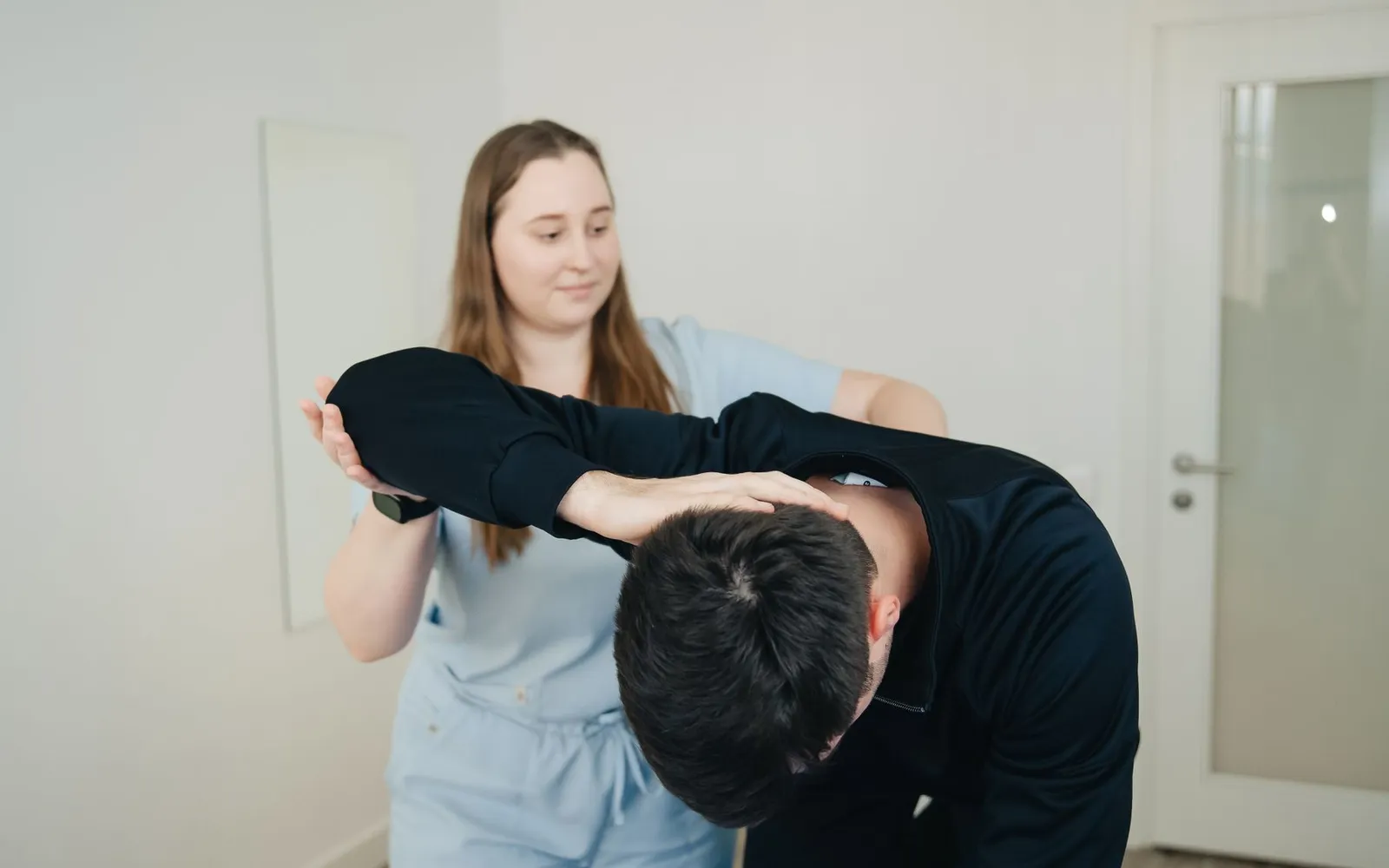
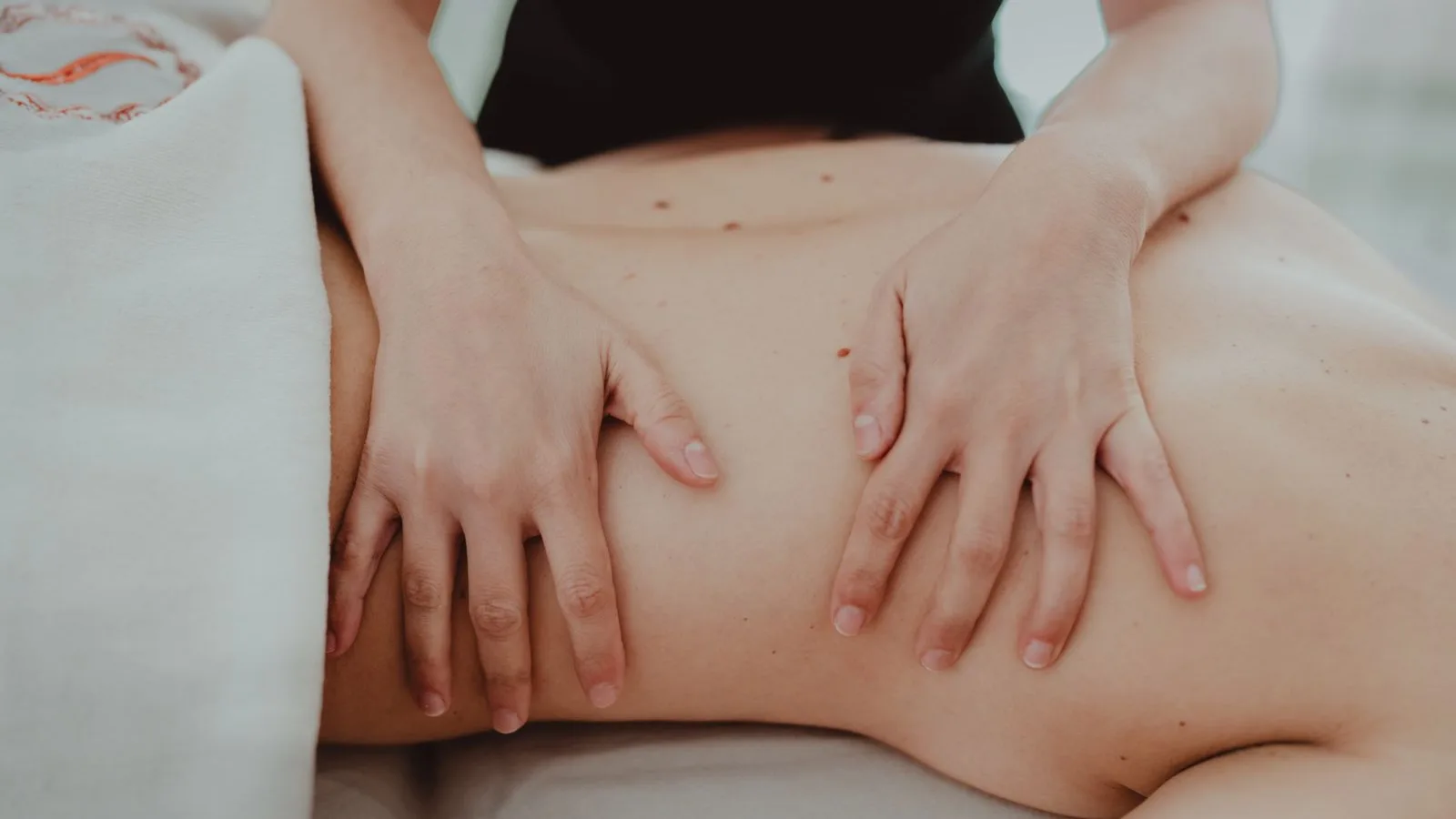
The picture changes when there's a finding spreading into the leg

Widespread pain that stays in the back isn't the same as pain spreading into the leg. Numbness in the foot, difficulty standing on the toes, or weakness felt when lifting the ankle upward show the nerve root is affected and change the course of the programme from the start.

Fzt. Kemran Hafız starts the assessment with strength, reflex and sensory examination. If there's no nerve finding, the programme is built around muscle endurance and movement habits; if there is, the goal isn't limited to reducing pain — regaining lost strength is added too.

"My MRI showed nothing but it still hurts"

This is one of the clinic's most common sentences, and behind it sits a real frustration: the feeling that pain is not taken seriously when nothing shows on the film. Yet what is well established is that the link between imaging findings and pain is far weaker than expected. A significant proportion of middle-aged people with no pain at all have disc bulging.

The reverse is also true: a back with nothing visible on a scan can genuinely hurt. Muscle endurance, movement habits and loading patterns do not appear on imaging but do produce pain. Measuring exactly those invisible things is the job of the assessment.

Which movement helps: directional preference

There is no single exercise list that suits everyone with back pain. In some people bending backwards clearly reduces the pain, while in others the same movement worsens it and bending forward brings relief. This individual tendency is called directional preference and it is the first step to the right programme.

Movements are therefore trialled in the first session and the change in pain recorded. This is the most common reason generic lists found online fail for a proportion of people: an exercise with the wrong direction will not progress even when performed correctly.

Bed rest and braces

Prolonged bed rest is no longer recommended for acute back pain; it has been shown not to speed recovery and to affect muscle strength and return time adversely. Current practice is to continue daily life within what pain allows.

The same applies to bracing: it can support in specific situations for a short period, but continuous use reduces trunk muscle work. Neither is a matter of "never" but of "planned and time-limited".

If pain has lasted more than three months

Once back pain passes three months the picture changes: it is no longer only the state of tissues but also how the nervous system processes pain that is part of the process. This does not mean the pain is imaginary; it means how it should be approached has changed.

In this period pain education is a genuine part of the programme. Knowing that movement is not harmful reduces avoidance; graded loading then builds tissue capacity and confidence together. The aim is not for pain to reach zero but for it to stop dictating your life.

When to see a doctor without delay

The great majority of back pain is not due to serious disease. However, these findings require urgent assessment: loss of bladder or bowel control, numbness in the inner thighs and around the anus, weakness developing in both legs, inability to lift the foot upwards. Fever, unexplained weight loss, pain that does not settle at night, a serious fall and a known cancer history also require medical assessment.

Fzt. Kemran Hafız screens for these specifically at the first assessment; if any are found, referral is made before physiotherapy begins.

5.0 · 21 Google reviews

Book a one-to-one assessment for low back pain

Fzt. Kemran Hafız · Bursa Nilüfer. Share your complaint; we plan the process together after the assessment.

Frequently asked questions

Should I have an MRI for back pain?

For most back pain it is not needed at first, and guidelines do not recommend routine imaging. Imaging is a medical decision, usually requested where there are red flag findings, progressive neurological symptoms, or a lack of expected response.

What helps low back pain?

In the acute phase, not stopping movement altogether, heat and using positions that bring relief help most people. The lasting difference comes from improving hip and trunk muscle endurance — the best-evidenced approach.

Is my back pain a disc herniation?

If there is no pain radiating into the leg, numbness or weakness, a disc origin is less likely. Where there are leg symptoms the assessment proceeds differently; that is covered on the disc herniation page.

Can I exercise?

Yes, and it is encouraged. Which movements at which load is decided by the assessment. Load is reduced during a painful phase but inactivity is not chosen; a back that stops moving becomes more sensitive, not less.

Other treatments

  • Herniated Disc

    An exercise-based, one-to-one physiotherapy programme for back pain and pain radiating into the leg.

  • Spondylolisthesis

    For a forward-slipped vertebra (spondylolisthesis), a non-surgical approach: trunk stabilisation and load management that reduce pain and instability.

  • Sciatica

    For pain travelling from the back into the hip and leg: assessment that identifies the source, then graded exercise.

Articles on this topic

Book an appointment for Low Back Pain

The appointment form does not ask for health information; details are discussed by phone.

Book an appointment