
What Does Single-Leg Balance Time Tell You? Balance and Longevity
Fzt. Kemran Hafız · 16 September 2026 · 2 min read
Fzt. Kemran Hafız · 16 September 2026 · 2 min read
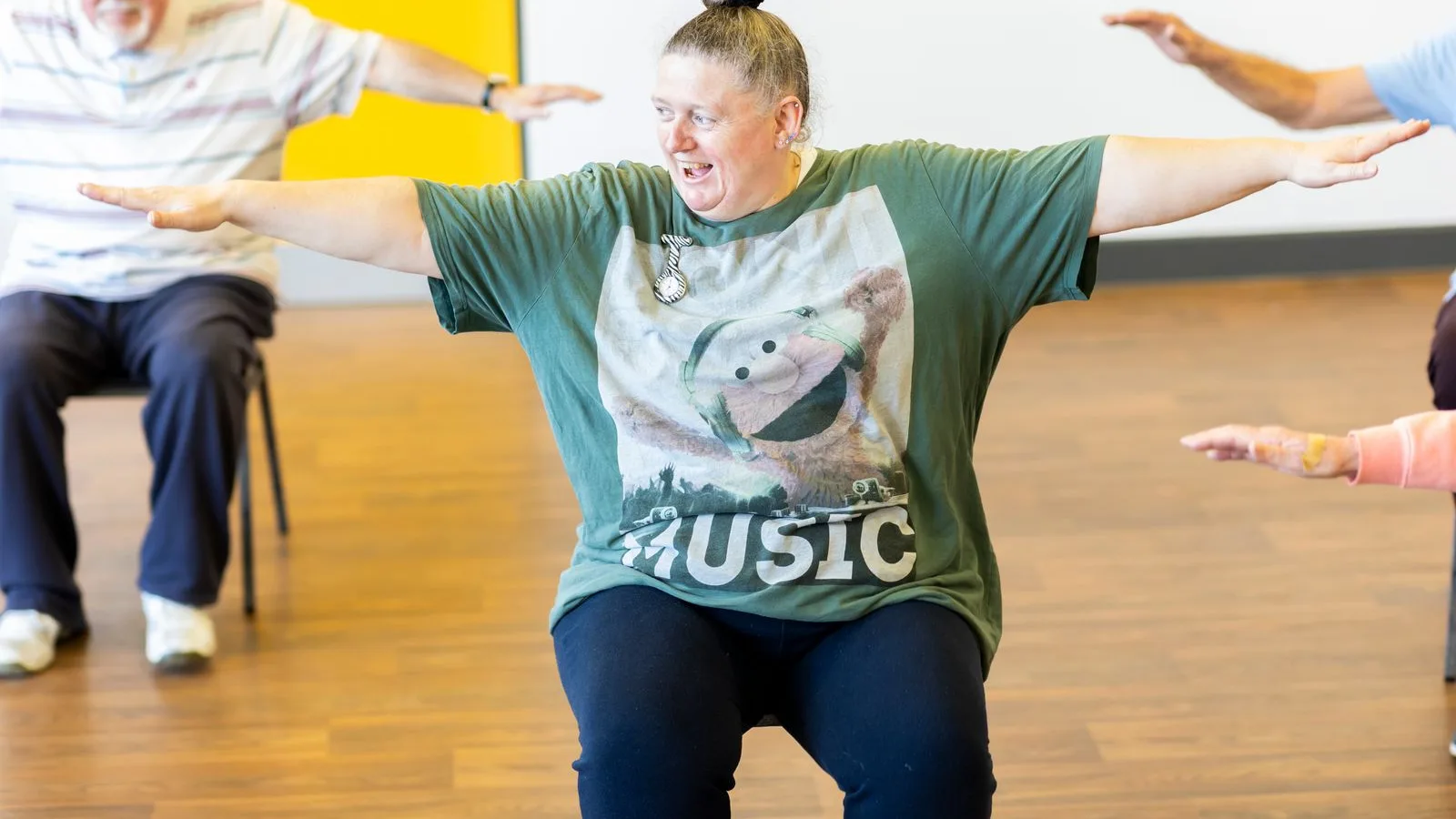
How long you can stand on one leg says more than it seems. Balance is a measure longevity research keeps coming back to.
Without closing your eyes or holding onto anything, how long can you stand on one leg? This simple question says far more than it seems: balance is one of the most reliable indicators of fall risk in later life and of overall functional health.
The balance system draws on three inputs together: the eyes, the inner ear, and position sense (proprioception) from the joints. When any one of these weakens, the others step in and cover the gap for a while — which is why balance loss usually progresses quietly, unnoticed until a stumble or a fall.
This simple, equipment-free test reduces how well the three systems work together into a single number. As the time shortens, fall risk rises; repeated at regular intervals, it shows concretely how that risk is changing over time — far more reliable than a vague sense of "I don't think my balance is as good as it used to be."
Balance isn't a fixed trait — it's a skill that can be developed through training. Graded loading on unstable surfaces, single-leg control work, and exercises done without visual support help the nervous system combine these three inputs more effectively. Progress can be measured within weeks.
Balance loss gets associated with older age, but the groundwork is laid in middle age: inactivity, one-sided training habits, and small stumbles brushed off are early signs of a problem that shows up years later. From a longevity perspective, balance work isn't too early at forty either.
Fzt. Kemran Hafız assesses balance and fall risk through neurological examination and programmes it with measurable goals — see neurological rehabilitation.
Neurological Rehabilitation
Not all physiotherapy is the same. For conditions arising from the nervous system, neurological physiotherapy differs from orthopaedic physiotherapy in aim and method.
9 October 2026 · 2 min read
Neurological Rehabilitation
The most common question: “How long will it take?” The honest answer depends on the condition. The stages of neurological rehabilitation and realistic expectations.
7 October 2026 · 2 min read
Neurological Rehabilitation
In a neurological condition, the right physiotherapist calls for experience and method beyond the general criteria. What to look for when choosing in Nilüfer.
5 October 2026 · 2 min read