
Why the First Months After a Stroke Are Critical
Fzt. Kemran Hafız · 11 August 2026 · 2 min read · Last updated:
Fzt. Kemran Hafız · 11 August 2026 · 2 min read · Last updated:
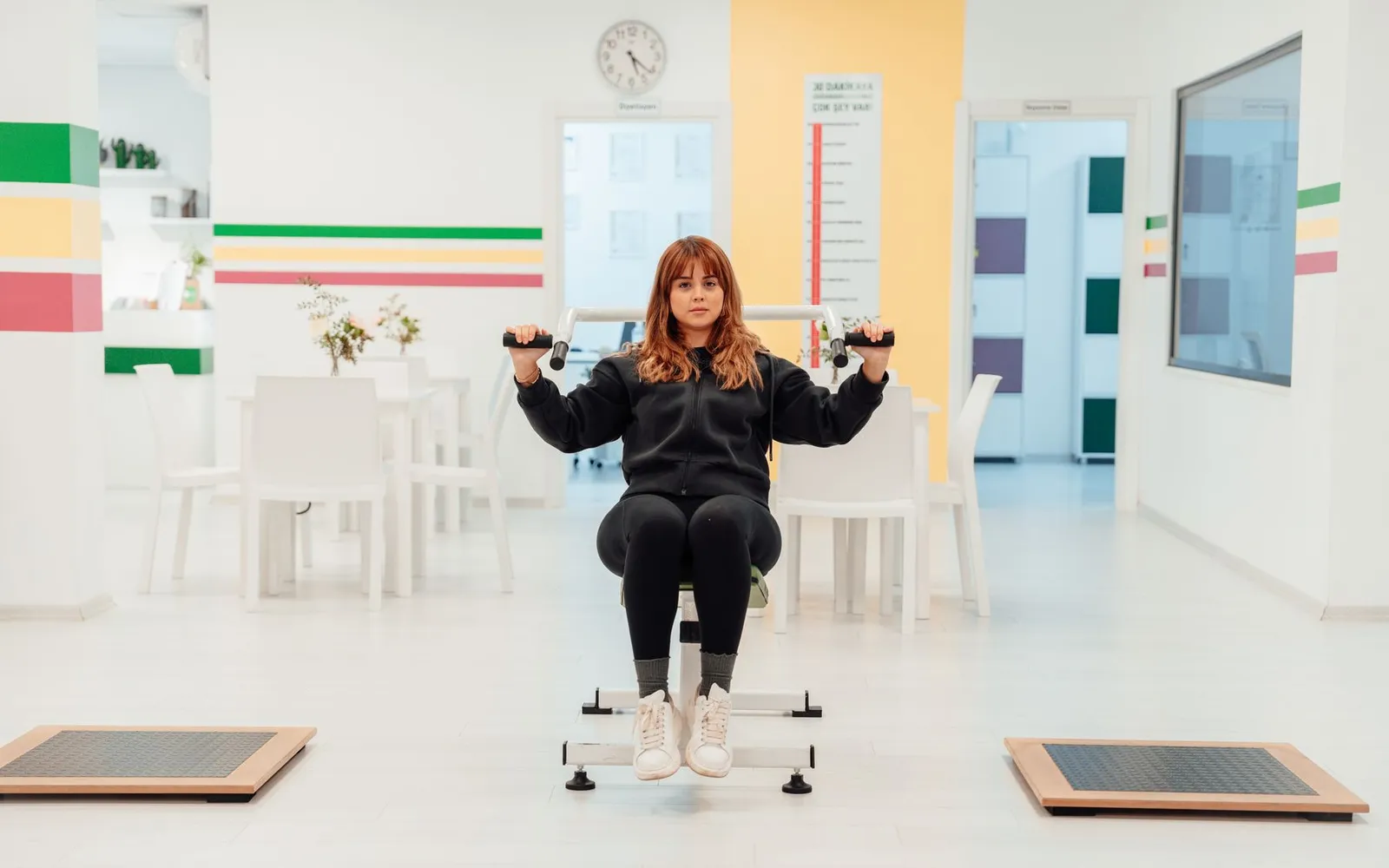
After a stroke the brain's capacity to reorganise is at its highest. What is done in those months shapes the years that follow.
One of the most commonly heard sentences after a stroke is "let's wait, it will improve on its own." In fact the nervous system's capacity to reorganise is at its highest in the months following the event, and that window is not unlimited.
The brain is able to transfer the function of a damaged region to neighbouring areas. That reorganisation accelerates when the right stimulus is provided. The period in which this capacity is concentrated is known as the plasticity window.
The window narrows over time but does not close: gains can still be made in cases where a long time has passed. Even so, starting early means getting more result from the same effort.
1. Task-specific practice. The brain learns from meaningful tasks far more than from abstract exercises. "Pick up the cup and bring it to your mouth" is a more effective stimulus than "raise your arm".
2. Number of repetitions. Repetition is the single most decisive variable in learning. The hundreds of repetitions performed in a session matter as much as the programme continued at home.
3. Level of difficulty. If the task is too easy no learning occurs; if it is too hard it produces failure and withdrawal. Finding and continually updating the right level of difficulty is the physiotherapist's job.
Because using the affected arm is difficult, the person begins doing everything with the unaffected side. Practical in the short term, harmful in the long: the unused side declines further. A significant part of the programme is devoted to bringing the affected side back into daily tasks.
Progress through sessions alone is difficult without a home programme. Transfers, positioning and exercises are therefore taught to the carer in person.
Instead of abstract goals, concrete daily tasks are used: sitting up from bed unaided, walking to the door, fastening a shirt button. Each time a goal is met the programme moves up a step, and progress stays measurable.
Fzt. Kemran Hafız runs post-stroke rehabilitation in Bursa Nilüfer on these principles, working alongside your neurologist. You can book an assessment.
Read on: How a programme after stroke is built is described on the neurological rehabilitation page.
Neurological Rehabilitation
Not all physiotherapy is the same. For conditions arising from the nervous system, neurological physiotherapy differs from orthopaedic physiotherapy in aim and method.
9 October 2026 · 2 min read
Neurological Rehabilitation
The most common question: “How long will it take?” The honest answer depends on the condition. The stages of neurological rehabilitation and realistic expectations.
7 October 2026 · 2 min read
Neurological Rehabilitation
In a neurological condition, the right physiotherapist calls for experience and method beyond the general criteria. What to look for when choosing in Nilüfer.
5 October 2026 · 2 min read
A programme aimed at walking, balance and daily independence after stroke, MS, Parkinson's and brain injury.
Long-term support focused on independence and quality of life in cerebral palsy, muscle disease and spinal cord injury.
A measurement-based, one-to-one strength and conditioning programme supervised by a physiotherapist.