
Why Do Muscle Spasms Happen, and How Do They Resolve?
Fzt. Kemran Hafız · 2 September 2026 · 1 min read · Last updated:
Fzt. Kemran Hafız · 2 September 2026 · 1 min read · Last updated:
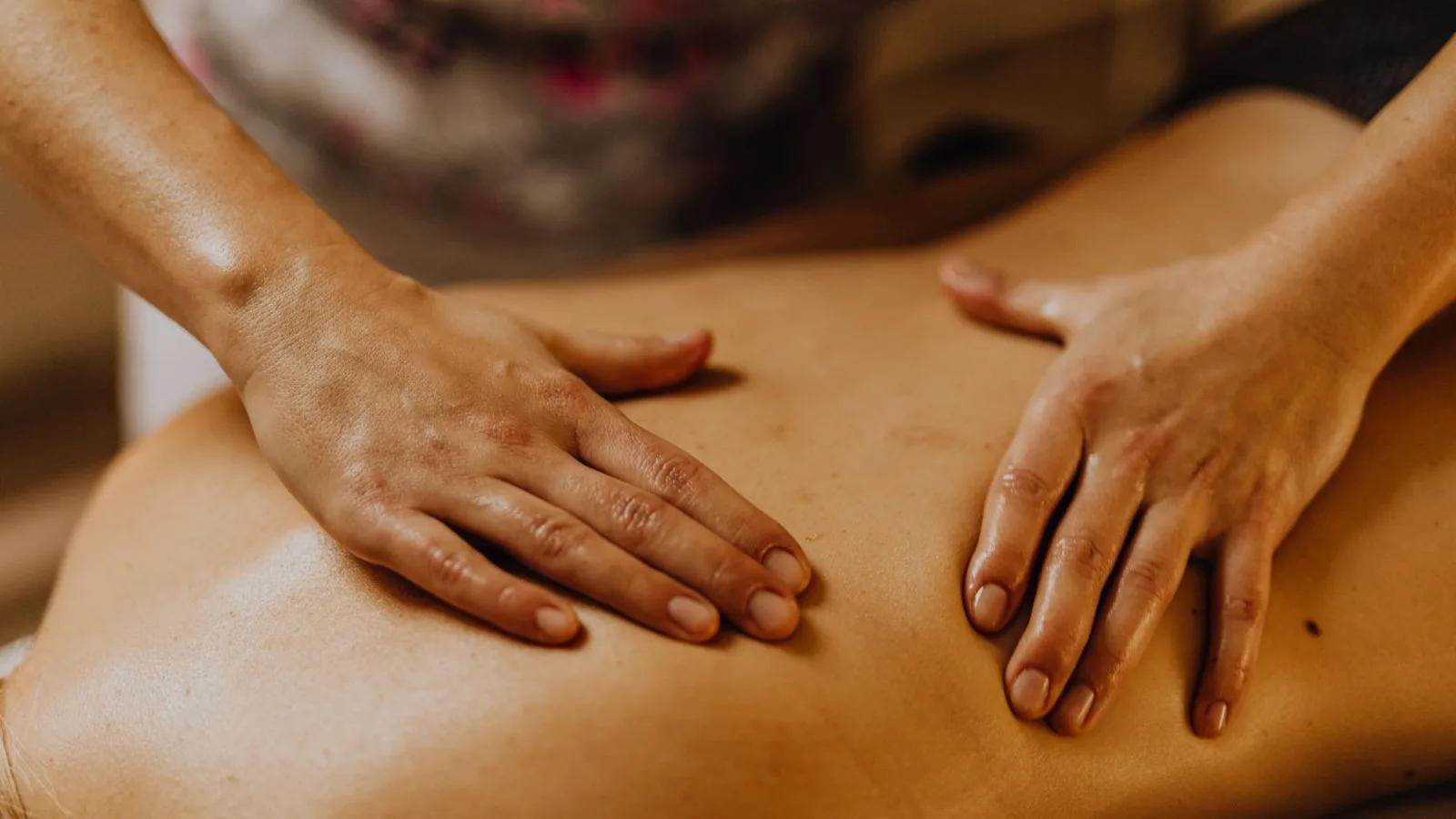
A muscle spasm is an involuntary, sudden and painful contraction. Most are harmless and ease quickly with simple measures.
A muscle spasm is a muscle contracting involuntarily, suddenly and painfully, and failing to release. Most spasms are temporary and ease quickly with simple measures. What really matters is telling apart the underlying cause of spasms that recur often or always appear in the same place.
For a one-off spasm, temporary relief is enough. For a recurring spasm, physiotherapy assessment distinguishes muscle imbalance, posture and a possible nerve compression. The programme is built with measurable goals: the muscle's capacity is gradually increased, the trigger is removed, and recurrences in daily life are reduced.
| Situation | Approach |
|---|---|
| One-off, after exercise | Stretching, heat, water-electrolytes are enough |
| More than once a week, same area | Physiotherapy assessment is recommended |
| Leg spasm with swelling/redness | See a physician without waiting |
Leg spasm with swelling-redness (could be a clot), pain with chest pressure, widespread-constant twitching, or spasms after a new medication should be assessed without waiting.
Fzt. Kemran Hafız doesn't stop at temporary relief for recurring muscle spasms; assesses possible nerve and posture sources and runs the programme with measurable goals.
Neurological Rehabilitation
Not all physiotherapy is the same. For conditions arising from the nervous system, neurological physiotherapy differs from orthopaedic physiotherapy in aim and method.
9 October 2026 · 2 min read
Neurological Rehabilitation
The most common question: “How long will it take?” The honest answer depends on the condition. The stages of neurological rehabilitation and realistic expectations.
7 October 2026 · 2 min read
Neurological Rehabilitation
In a neurological condition, the right physiotherapist calls for experience and method beyond the general criteria. What to look for when choosing in Nilüfer.
5 October 2026 · 2 min read
For muscle pain that knots, cramps and will not settle: manual work first, strengthening second.
A device-assisted manual technique aimed at reducing muscle tension through the sensory organ in the tendon.
Hands-on techniques applied to joints and soft tissue, combined with exercise for a result that lasts.