
Why Early Physiotherapy Matters for Children with Cerebral Palsy
Fzt. Kemran Hafız · 20 August 2026 · 2 min read · Last updated:
Fzt. Kemran Hafız · 20 August 2026 · 2 min read · Last updated:
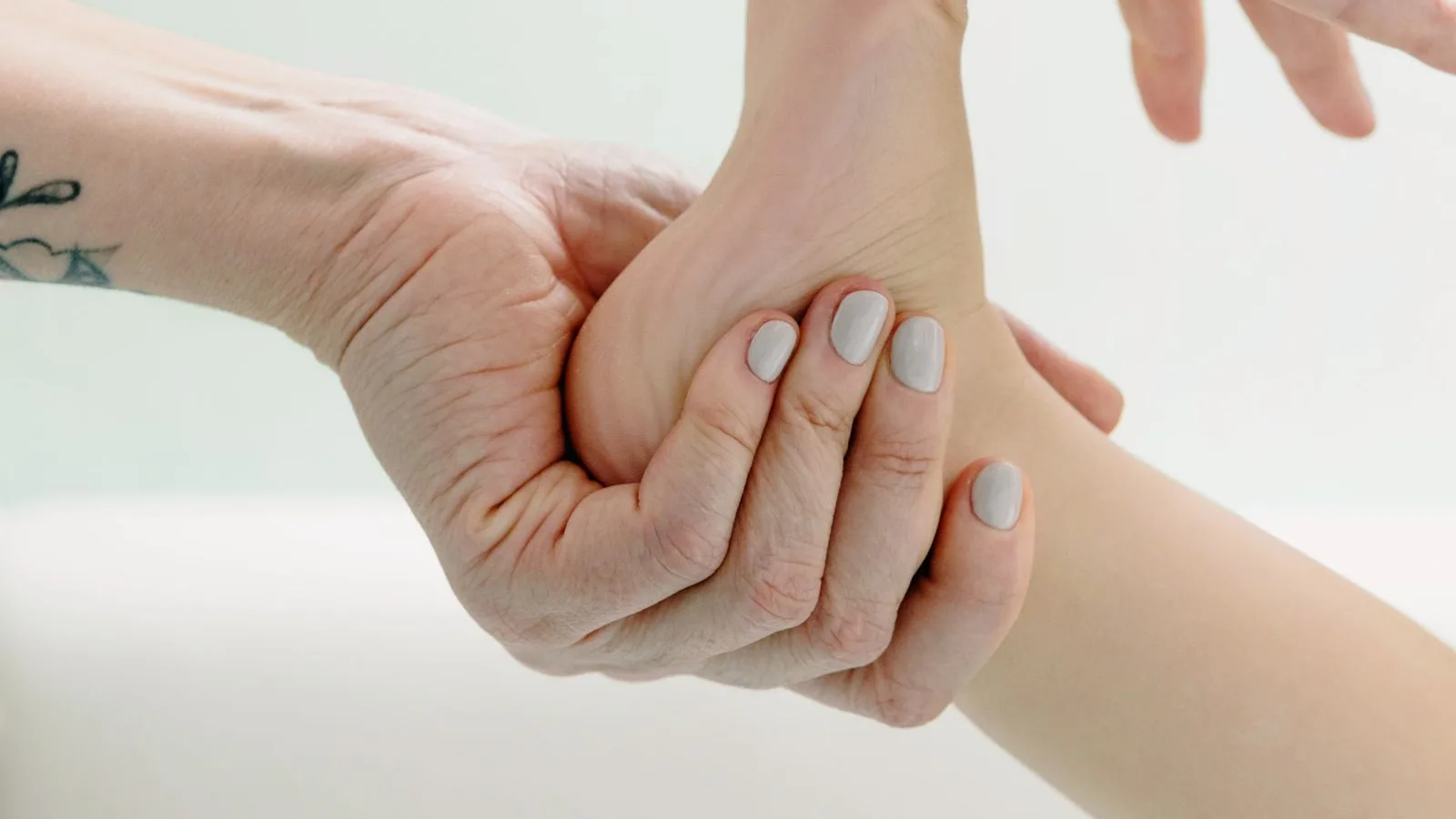
In cerebral palsy the brain injury itself is fixed, but movement ability is not. Early, consistent physiotherapy shapes how much independence a child can reach.
Cerebral palsy (CP) is the effect on movement and posture of an injury to the brain occurring before, during or after birth. Parents often ask what use physiotherapy can be if the brain injury itself doesn't change. The answer lies in this: the injury may be fixed, but how the brain and muscles respond to it is not.
A young child's nervous system is still developing, and its capacity to form new connections (neuroplasticity) is far higher than an adult's. The right stimulus given early makes it easier for healthy regions of the brain to take on movement-related tasks. This window narrows over time, which is why a "let's wait and see" approach means losing time that can't be recovered.
CP itself does not progress, but left untreated, muscle shortening, joint stiffness and deformities can accumulate over time — these are called secondary problems. Regular stretching, positioning and range-of-motion work prevent these additional restrictions, which can develop independently of the original injury.
The programme is built around the child's motor developmental stage rather than chronological age: head control, sitting balance, crawling, standing, walking. Each stage forms the foundation for the next; trying to skip a step means the gain doesn't hold.
A young child learns through play, not abstract instruction. Instead of "stretch your leg", a toy is placed just within reach. The session looks like play to the child, but every movement is measured and purposeful.
A few sessions a week don't change the rest of the day. Positioning, correct support during daily care, and short exercises that can be continued at home are taught to the family hands-on — the real progress is built in the days between sessions.
Fzt. Kemran Hafız prepares physiotherapy programmes for children with cerebral palsy in Bursa Nilüfer, tailored to developmental stage, and runs the process together with the family. You can book an assessment.
Read on: The framework for early-years work in cerebral palsy is described on the neurological rehabilitation page.
Neurological Rehabilitation
Not all physiotherapy is the same. For conditions arising from the nervous system, neurological physiotherapy differs from orthopaedic physiotherapy in aim and method.
9 October 2026 · 2 min read
Neurological Rehabilitation
The most common question: “How long will it take?” The honest answer depends on the condition. The stages of neurological rehabilitation and realistic expectations.
7 October 2026 · 2 min read
Neurological Rehabilitation
In a neurological condition, the right physiotherapist calls for experience and method beyond the general criteria. What to look for when choosing in Nilüfer.
5 October 2026 · 2 min read
A programme aimed at walking, balance and daily independence after stroke, MS, Parkinson's and brain injury.
Long-term support focused on independence and quality of life in cerebral palsy, muscle disease and spinal cord injury.
A measurement-based, one-to-one strength and conditioning programme supervised by a physiotherapist.