
Why Protecting Mobility Should Start at 40, Not 70
Fzt. Kemran Hafız · 7 September 2026 · 1 min read · Last updated:
Fzt. Kemran Hafız · 7 September 2026 · 1 min read · Last updated:
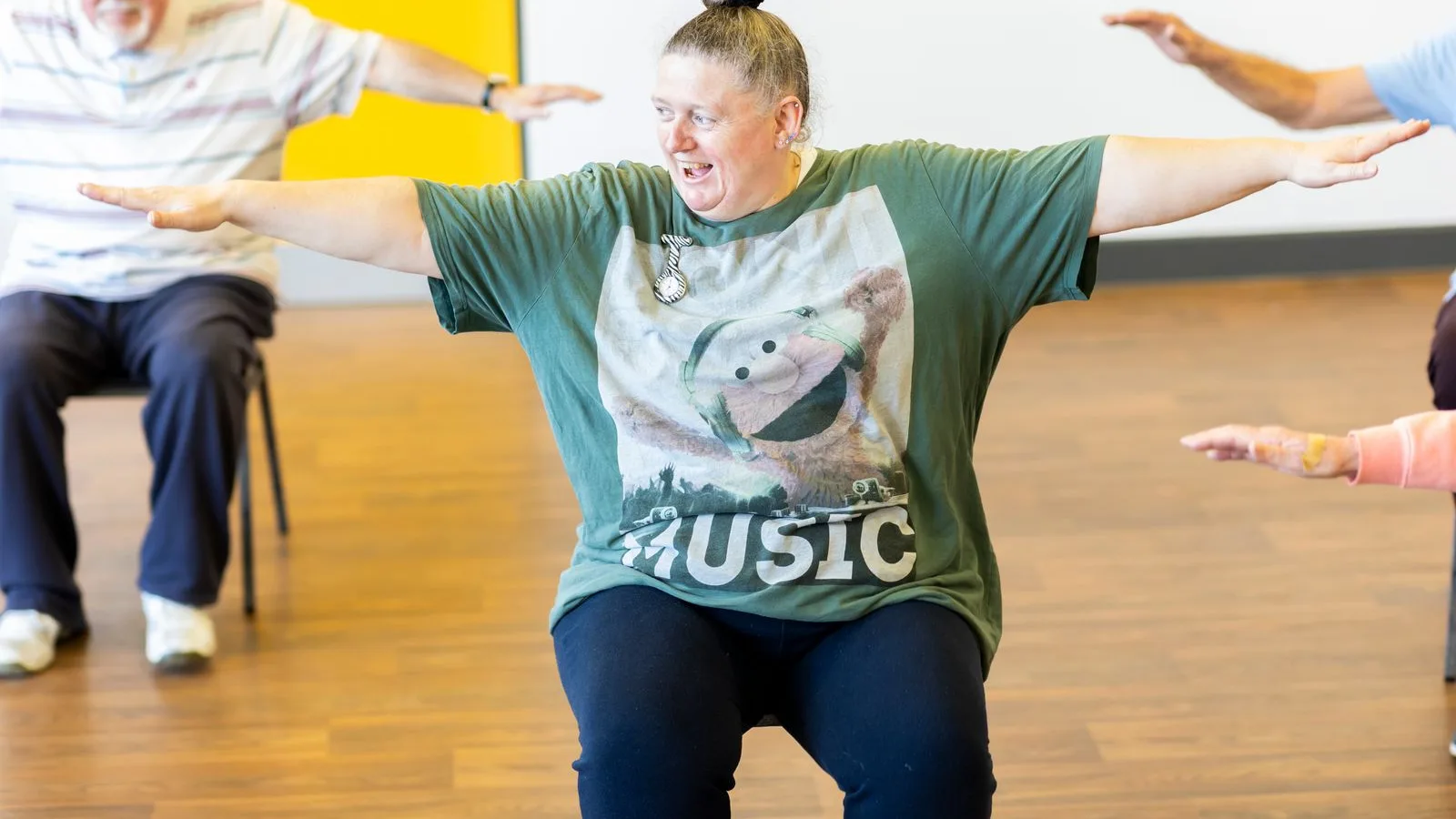
Joint range of motion and muscle flexibility narrow when they aren't used. By the time the loss is noticed, the easiest part of the work has usually already passed.
The principle "use it or lose it" is nowhere truer than in mobility. Joint range of motion and muscle flexibility slowly narrow when they aren't regularly used through their full range — and that narrowing usually goes unnoticed until a complaint appears.
The body preserves the range of motion it actually needs in daily life and withdraws the rest as "unnecessary." Because most people's daily movements stay within a narrow range (prolonged sitting, limited stride length, repeated movements in the same direction), the lost range isn't noticed in daily life — until it's suddenly needed (a sudden step on a staircase, a fast turn to catch your balance).
In your forties, movement restriction doesn't yet limit daily life, which makes it easy to ignore. But it's exactly during this period that a small effort prevents a much larger loss in your seventies. Tissue flexibility and joint health naturally decline with age; regular mobility work doesn't stop that decline, but it noticeably slows its pace.
Protecting mobility isn't just about stretching. Working a joint through its full range with controlled strength (active mobility) produces a more lasting gain than passive stretching — because it tells the nervous system "this range is safe and usable," rather than just temporarily lengthening the tissue.
When a few key ranges of motion — shoulder, hip and spinal rotation — are measured at regular intervals, exactly when the loss started and whether the programme is working becomes concrete rather than a guess.
Fzt. Kemran Hafız addresses mobility loss early with measurable goals — see orthopaedic rehabilitation and the spinal health articles.
Neurological Rehabilitation
Not all physiotherapy is the same. For conditions arising from the nervous system, neurological physiotherapy differs from orthopaedic physiotherapy in aim and method.
9 October 2026 · 2 min read
Neurological Rehabilitation
The most common question: “How long will it take?” The honest answer depends on the condition. The stages of neurological rehabilitation and realistic expectations.
7 October 2026 · 2 min read
Neurological Rehabilitation
In a neurological condition, the right physiotherapist calls for experience and method beyond the general criteria. What to look for when choosing in Nilüfer.
5 October 2026 · 2 min read