
What Role Does Physiotherapy Play in Parkinson's Disease?
Fzt. Kemran Hafız · 20 August 2026 · 2 min read · Last updated:
Fzt. Kemran Hafız · 20 August 2026 · 2 min read · Last updated:
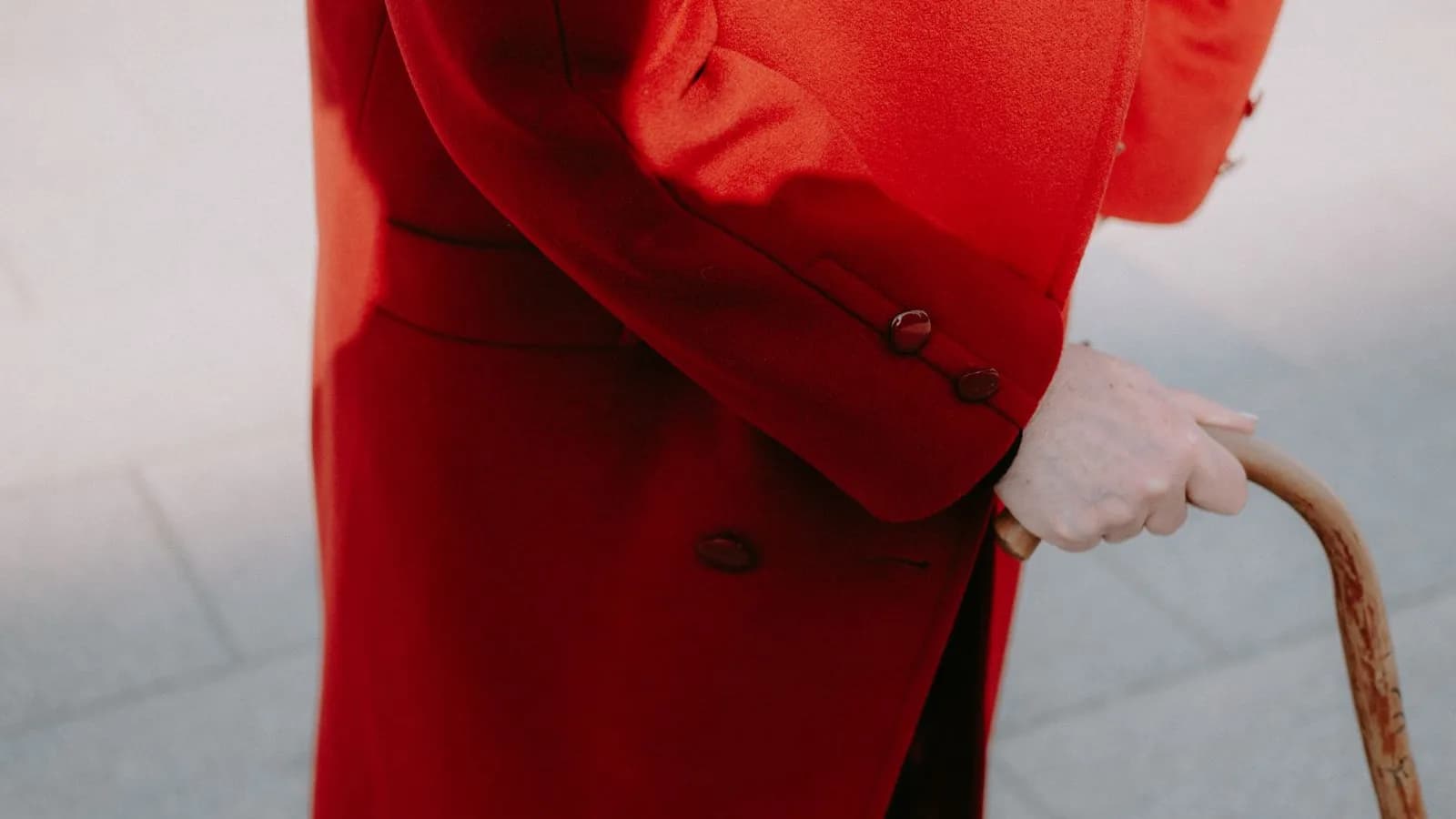
In Parkinson's, medication manages the disease while physiotherapy protects movement and independence. Neither replaces the other.
When Parkinson's treatment comes up, medication is usually the first thing that comes to mind. Yet what determines the disease's day-to-day impact is largely movement quality — and that is where physiotherapy has the main say.
The disease affects the nerve circuits that initiate and regulate movement. As a result, steps shorten, gait slows, arm swing reduces, posture leans forward and turning becomes difficult. These come not from muscle weakness but from how movement is planned — which is why the solution also lies in re-planning movement.
One commonly used approach in Parkinson's physiotherapy is deliberately teaching movements to be larger than they feel. Even when a person perceives their own movement as normal, it has often genuinely shrunk; concrete cues such as "take a big step" or "swing your arm wide" give the brain a new reference point.
A sudden feeling of the feet sticking to the floor while walking is seen especially at doorways and turns. Rhythmic external cues — counting while walking, following lines on the floor, a metronome beat — engage the automatic walking mechanism through a different route and can reduce freezing episodes.
Because balance reactions slow down, fall risk increases. The programme includes weight shifting, turning, walking under dual task (such as talking while walking) and reaction-speed exercises. The goal is not only avoiding falls but preserving the ability to recover in the moment of one.
As movement decreases, muscle and joint flexibility decrease too, which restricts movement further — a vicious cycle. Regular exercise started as soon as the diagnosis is made is the most effective way to break that cycle; it does not stop the disease's progression, but it keeps functional independence intact for much longer.
Fzt. Kemran Hafız runs movement and balance programmes for Parkinson's patients in Bursa Nilüfer, working alongside your neurologist. You can book an assessment.
Read on: How balance, gait and movement-initiation work is planned in the clinic is described on the neurological rehabilitation page.
Neurological Rehabilitation
Not all physiotherapy is the same. For conditions arising from the nervous system, neurological physiotherapy differs from orthopaedic physiotherapy in aim and method.
9 October 2026 · 2 min read
Neurological Rehabilitation
The most common question: “How long will it take?” The honest answer depends on the condition. The stages of neurological rehabilitation and realistic expectations.
7 October 2026 · 2 min read
Neurological Rehabilitation
In a neurological condition, the right physiotherapist calls for experience and method beyond the general criteria. What to look for when choosing in Nilüfer.
5 October 2026 · 2 min read
A programme aimed at walking, balance and daily independence after stroke, MS, Parkinson's and brain injury.
Long-term support focused on independence and quality of life in cerebral palsy, muscle disease and spinal cord injury.
A measurement-based, one-to-one strength and conditioning programme supervised by a physiotherapist.