
How Does Plantar Fasciitis Resolve, and How Long Does It Take?
Fzt. Kemran Hafız · 6 September 2026 · 2 min read · Last updated:
Fzt. Kemran Hafız · 6 September 2026 · 2 min read · Last updated:
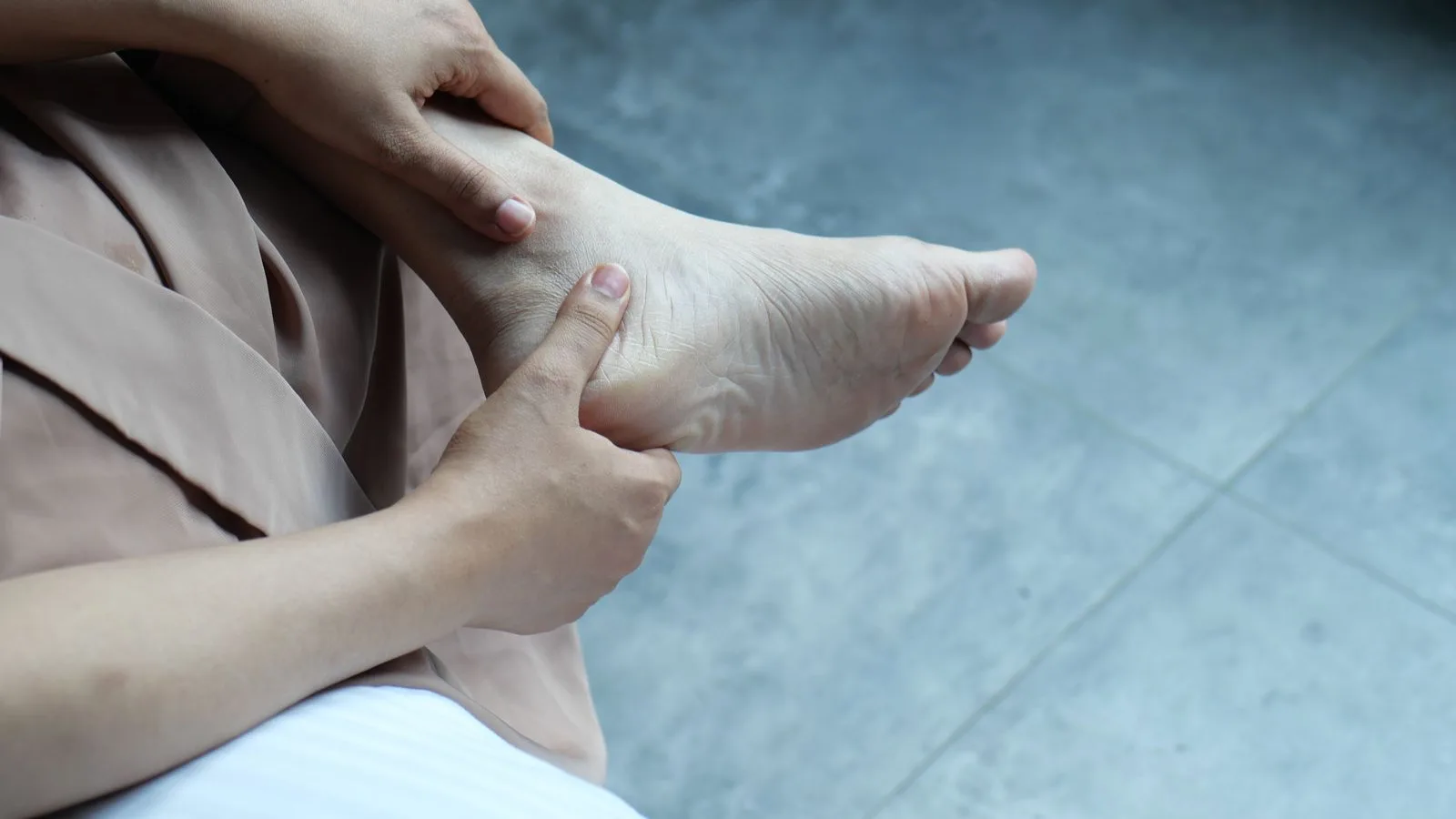
The sharp heel pain on the first step in the morning is often assumed to be a heel spur. But the real name for this condition is plantar fasciitis, and the two aren't the same thing.
Plantar fasciitis is irritation caused by overload where the plantar fascia band on the sole of the foot attaches to the heel. Sharp heel pain on the first step in the morning is the most typical symptom. The good news: the large majority improves without surgery with the right programme — but it requires patience.
Sharp pain on the first steps in the morning or after prolonged sitting, easing after a few steps and increasing again during the day, tenderness on the inner-lower part of the heel.
Tissue healing takes weeks. The most common mistake is impatience: returning to the old load as soon as pain eases brings the complaint back. In physiotherapy, stretching, manual techniques, shockwave therapy (ESWT) where needed, and strengthening the muscles that support the foot speed up the process.
The two are often confused but aren't the same thing. A heel spur is a bony outgrowth seen on X-ray and usually doesn't cause pain — many people have a spur but no complaint at all. What actually produces the pain isn't the spur itself, but the plantar fascia above it being overloaded and irritated. That's why treatment doesn't target the spur — it targets the plantar fascia's load and healing.
Numbness, pain that doesn't ease at night, swelling-redness, or a sudden onset after a fall.
Fzt. Kemran Hafız heals the plantar fascia in heel pain with an assessment-based, graded programme and plans the return to daily life.
Neurological Rehabilitation
Not all physiotherapy is the same. For conditions arising from the nervous system, neurological physiotherapy differs from orthopaedic physiotherapy in aim and method.
9 October 2026 · 2 min read
Neurological Rehabilitation
The most common question: “How long will it take?” The honest answer depends on the condition. The stages of neurological rehabilitation and realistic expectations.
7 October 2026 · 2 min read
Neurological Rehabilitation
In a neurological condition, the right physiotherapist calls for experience and method beyond the general criteria. What to look for when choosing in Nilüfer.
5 October 2026 · 2 min read
For heel pain that bites on the first step of the morning: shockwave, load management and a graded strengthening programme.
Balance and strength-focused rehabilitation for sprains, ligament injuries, Achilles problems and heel pain.
Shock wave therapy for chronic tendon and heel complaints, used as part of the programme.