
What Is Flat Foot, Does It Always Need Treatment?
Fzt. Kemran Hafız · 6 September 2026 · 1 min read · Last updated:
Fzt. Kemran Hafız · 6 September 2026 · 1 min read · Last updated:
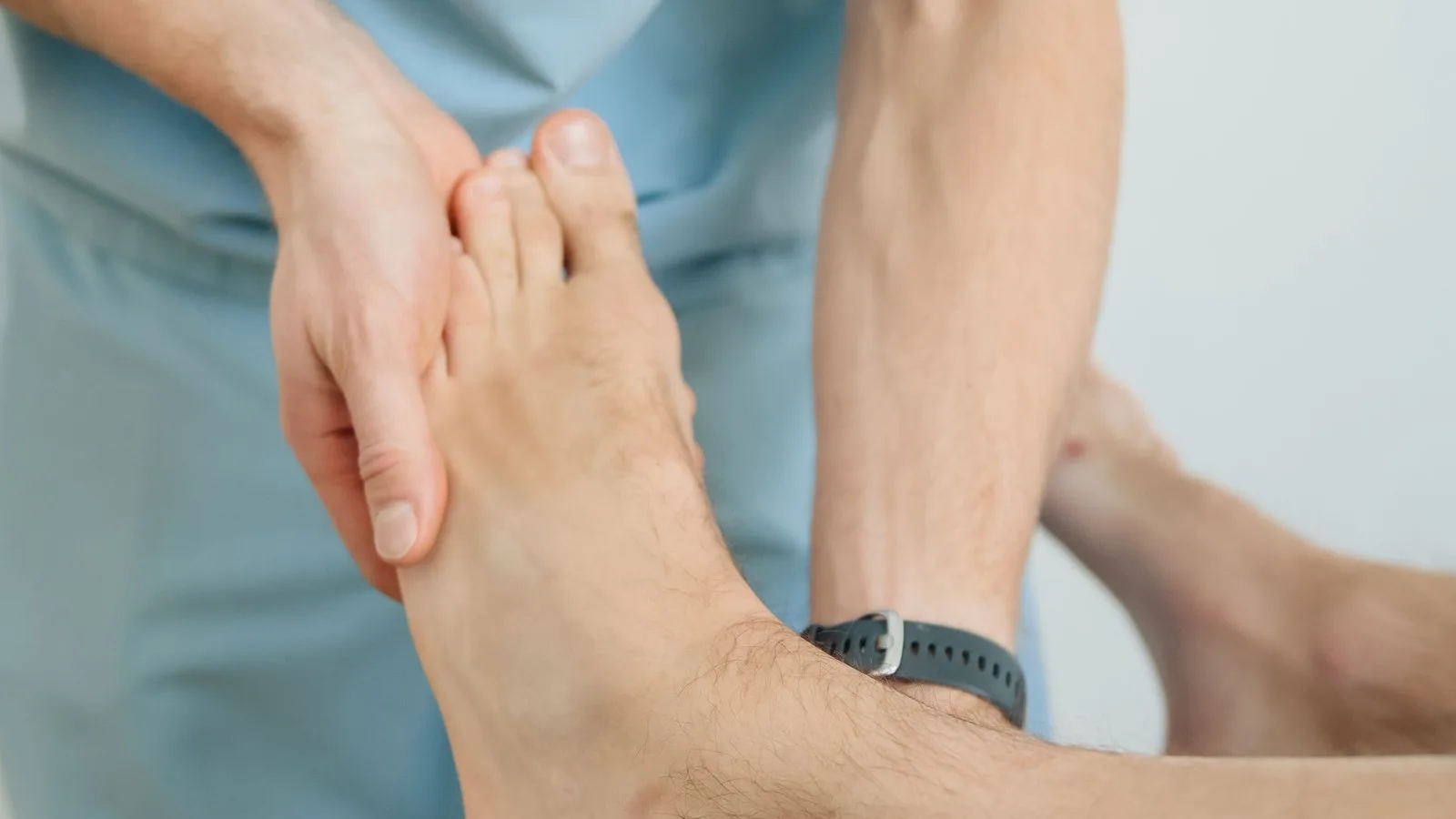
Flat feet aren't a disease in most people and cause no complaint. The real question is whether they're leading to a problem.
Flat feet means the inner arch of the foot is low. Although it's a frequently voiced concern, in most people it isn't a disease but a structural variation and causes no complaint at all. The treatment decision doesn't depend on "is there flat feet" — it depends on "is there a loss of function or pain."
Recurring foot/calf pain, quick fatigue while standing, the ankle rolling inward, a chain of complaints reaching up to the knee and hip. If there's no complaint, intervention isn't needed.
Strengthening the muscles that support the foot, suitable footwear and insoles when needed, gait-posture adjustments. The assessment addresses not just the foot but the upper links of the chain (knee, hip) too.
Simple exercises targeting the intrinsic foot muscles (toe raises, towel scrunches), the calf and the hip external rotators can be integrated into daily life. Exercise alone isn't enough; shoe choice and the surface also directly affect balance and load. The programme addresses these three areas (muscle, footwear, load) together.
Flattening that develops later and increases, noticeable swelling, or a deformity.
Fzt. Kemran Hafız assesses gait and posture holistically for foot complaints; plans strengthening and support recommendations together if there's pain or loss of function.
Neurological Rehabilitation
Not all physiotherapy is the same. For conditions arising from the nervous system, neurological physiotherapy differs from orthopaedic physiotherapy in aim and method.
9 October 2026 · 2 min read
Neurological Rehabilitation
The most common question: “How long will it take?” The honest answer depends on the condition. The stages of neurological rehabilitation and realistic expectations.
7 October 2026 · 2 min read
Neurological Rehabilitation
In a neurological condition, the right physiotherapist calls for experience and method beyond the general criteria. What to look for when choosing in Nilüfer.
5 October 2026 · 2 min read
For a collapsing arch that causes symptoms: strengthening and load management, not routine intervention.
Balance and strength-focused rehabilitation for sprains, ligament injuries, Achilles problems and heel pain.
For heel pain that bites on the first step of the morning: shockwave, load management and a graded strengthening programme.